Electrical Fault Finding London
NICEIC & Part P certified
Same-day emergency repairs
Commercial & Residential cover
Electrical Fault Finding in London
What do we do when you book electrical fault finding in London?
We diagnose the cause of the fault, make the circuit safe, fix the issue, then re-test to confirm normal operation.
Electrical fault finding in London is not guesswork, it’s a structured process using calibrated test equipment, targeted checks, and clear fault isolation so you get a safe and lasting repair.
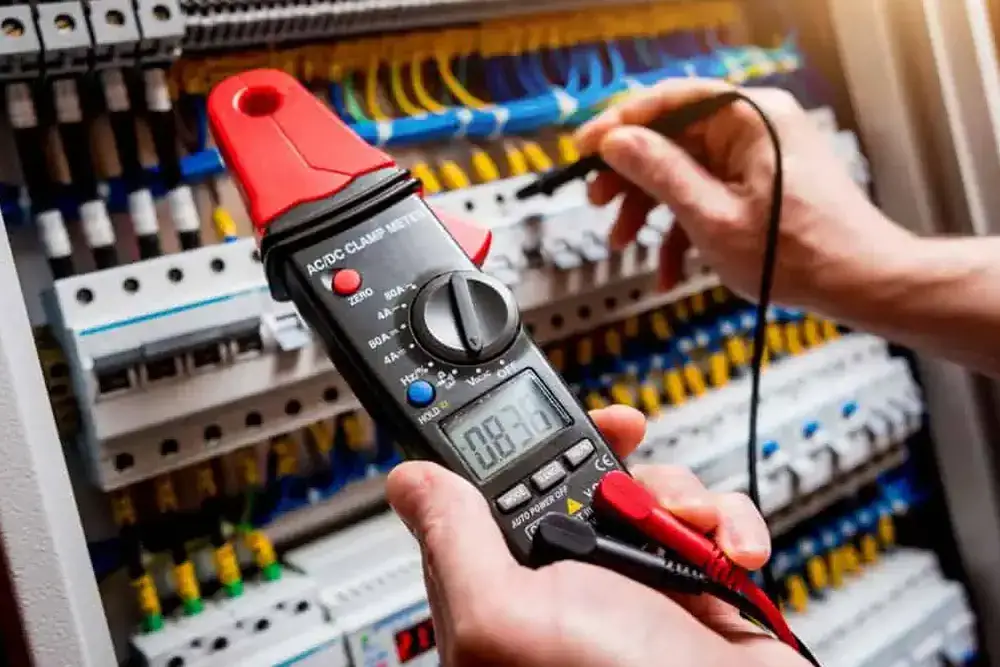
What are the warning signs that you need fault finding?
Repeated tripping, flickering lights, dead sockets, sparks, buzzing, or a burning smell are signs you should book a diagnostic visit.
These symptoms often point to overloaded circuits, loose connections, damaged wiring, insulation breakdown, ground faults, or short circuits. If the issue is intermittent, circuit tracing and step-by-step testing is usually the fastest way to locate the fault without unnecessary disruption.
Book fault finding if you notice:
- RCD keeps tripping or breakers trip repeatedly.
- Lights flickering or dimming.
- Power loss in part or all of the property.
- Buzzing or humming at sockets, switches, or the consumer unit.
- Burning / fishy smell or warmth around fittings.
- Sparking socket or scorch marks.
- Electric shock or tingling from a fitting or appliance.
Feel Free To Contact Us

What are common electrical faults we diagnose and fix?
Most faults come from overloaded circuits, faulty wiring, short circuits, ground faults, insulation issues, or failing components.
These are the patterns we see during electrical fault finding in London across homes, rentals, and commercial sites:
- Overloaded circuits and nuisance tripping.
- Loose connections and heat damage.
- Short circuits and electrical surges.
- Ground faults / grounding issues.
- Insulation degradation / insulation breakdown.
- Arc faults (arcing at a connection or fitting).
- Faulty sockets, switches, light fittings, drivers/transformers.
- Consumer unit / fuse board faults (breakers and RCD issues).
- Voltage drop / inconsistent voltage on a circuit.
How do our electricians find the fault?
We use a structured test-and-isolate method: confirm symptoms, inspect, test, trace, repair, then re-test.
This approach prevents repeat faults and reduces disruption, especially when faults are intermittent.
How do we confirm what’s actually happening?
How do we spot obvious risks early?
How do we test safely and accurately?
When do we use insulation testing?
What is circuit tracing and why does it matter?
When is thermal imaging useful?
What happens after the repair?
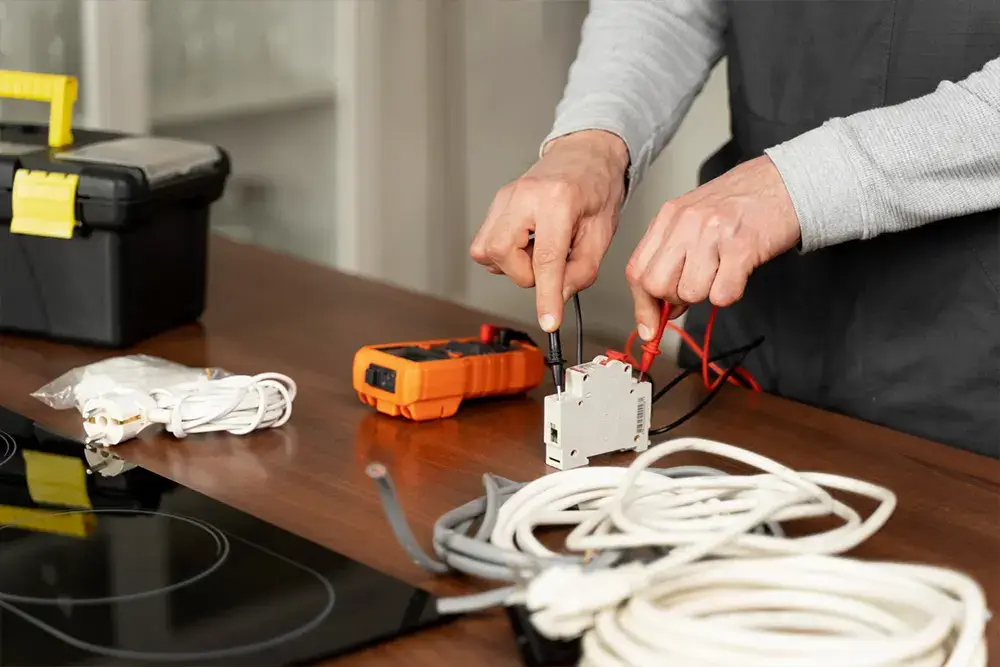
What areas and components do we check during fault finding?
We focus on the circuit and components linked to the symptom, then confirm protection and safe operation.
Faults commonly sit in accessories, connection points, or the consumer unit, so we check what’s relevant to the issue.
Typical checks include:
- Consumer unit / fuse board, breakers, and RCD protection.
- Socket circuits and lighting circuits.
- Switches, sockets, fittings, and connection points.
- Drivers/transformers (where installed).
- Loads connected to the circuit (to rule out a faulty appliance)
We offer free quotations on jobs
30 min response time on jobs (within 3 mile radius)
We cover London and surrounding areas
Competitive pricing
Public liability insurance (up to £2,000,000)
100% customer satisfaction
Do we provide fault finding for homes, landlords, and businesses?
We provide fault diagnosis and repairs for domestic, landlord, and commercial properties across London.
The method stays the same, safe isolation, accurate testing, circuit tracing, and full re-testing, but the reporting and access requirements can differ by property type.
What does fault finding look like for homeowners?
What does fault finding look like for landlords and letting agents?
What does fault finding look like for commercial sites?
When is electrical fault finding an emergency?
Switch Off
Unplug Devices
Avoid Testing
Call For Emergency
Worked for Hundreds of Satisfied Customers
Posted on Google
 Jenny Clarke
 Chose Diligent Electricals because of excellent reviews. I was not disappointed. Ishmael came at short notice for a trip switch issue. Excellent service, very professional, friendly and informative. Will definitely use again.Posted on Google
 Barney WoodbridgeHave used DEC twice in the past couple of months - great service, communication and both jobs completely extremely quickly. Don’t need to look anywhere else for an electrician in the area (live around Gipsy Hill station!)Posted on Google
 Monica FyfeHave used Diligent a handful of times now. Ishmael has always been professional, reliable and we feel reasonably priced. Highly recommend and we will continue to use!Posted on Google
 Tony GoughIshmael and Russel connected our garden room to the mains, with lighting, sockets, outside light and external power point. In the house they installed 4 additional sockets and a porch light, and replaced the bathroom light. They worked hard and completed everything in a day. I am confident that the work complies with the regulations. Their quote was very reasonable. Recommended, especially if you want work carried out promptly and efficiently.Posted on Google
 DanielIshmael assessed the job, gave good advice, had expert knowledge and completed the job to a high standard for a good price. I recommend his workPosted on Google
 Anna LubelskaVery efficient and professional. I’m a satisfied customer!Posted on Google
 Emma TurnerFantastic service, prompt response, diligent approach - respectful and professional. Problem identified, solved, rectified and concluded within a short time frame. Would be happy to recommend based on my experiences.Posted on Google
 Niall McDonaldExcellent service from start to finish. Ishmael came out to inspect and fix an issue with our fuse box very quickly and diligently. His communication was excellent throughout. A seamless experience, would recommend.Posted on Google
 David PribilIshmael was professional, efficient, and a pleasure to work with. Excellent service and highly recommended!Posted on Google
 Jack StookesVery impressed with the service provided by Diligent Electrical Contractors! Ishmael was friendly, super helpful and fitted our new bathroom extractor fan quickly and efficiently. Would definitely recommend!
How is fault finding priced?
Explanation
Confirmation
Repairing & Testing
members